
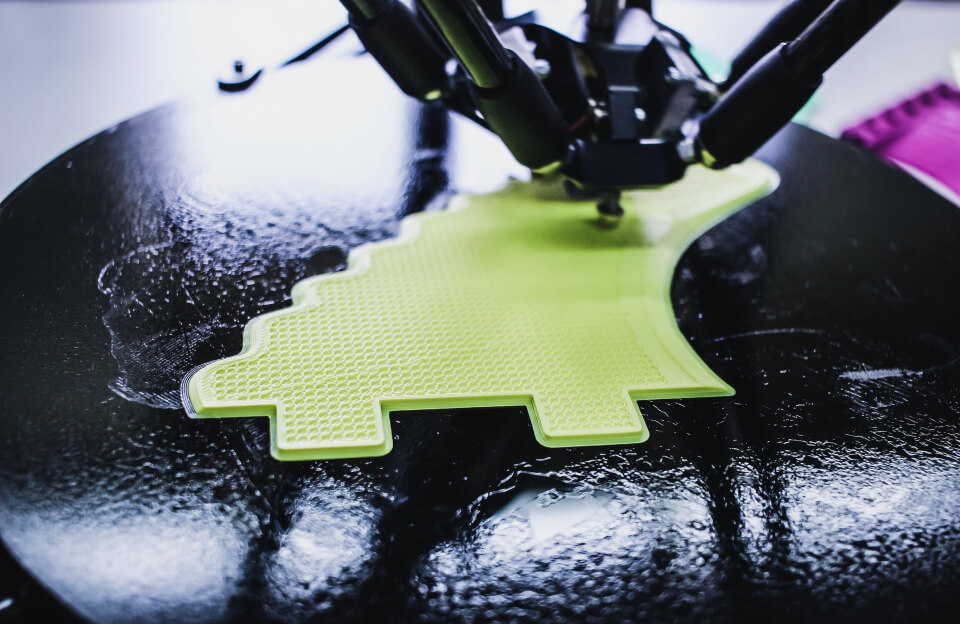
We’ve all been there. A clumsy elbow, a slick countertop, and smash—your favorite wine glass or everyday tumbler is reduced to a pile of sharp shards. Today, that means sweeping up the mess and heading to the store. But in the near future, you might just sweep those shards into a recycling bin and hit “Print” on your desktop 3D printer to create an instant replacement.
While 3D printing with plastics, resins, and even metals has become mainstream, printing with real glass has traditionally been a massive technological hurdle. However, recent breakthroughs are changing the game.
Why is 3D-Printing Glass So Hard?
To understand why this is a big deal, you have to look at the physics of glass. Standard 3D printers melt plastic at relatively low temperatures (around 200°C to 250°C) and extrude it smoothly.
Glass, on the other hand, requires extreme heat—often upwards of 1,000°C (1,832°F)—to melt. Early attempts at glass 3D printing required massive, industrial-sized kilns attached to print nozzles, which were incredibly dangerous, expensive, and produced rough, opaque layers that looked more like stacked frozen water than clear glass.
Why This Matters (Beyond Replacing a Cup)
Being able to 3D-print glass isn’t just a win for clumsy kitchen habits. It opens up massive possibilities for several industries:
- Custom Optics & Lenses: Creating complex lenses for cameras, microscopes, and smartphones could become faster and cheaper.
- Biomedical Devices: Glass is chemically inert, making 3D-printed glass microchips ideal for medical testing and “lab-on-a-chip” technology.
- Sustainable Design: Instead of shipping heavy glass bottles across the world, local hubs could print glassware on demand using recycled glass powder.
The Timeline: While you won’t find a glass printer next to your microwave just yet—as the secondary baking process still requires specialized ovens—the technology is rapidly shrinking.
The Future is Clear
The day when you can instantly replace a broken heirloom or customize your own set of geometric cocktail glasses in your kitchen is inching closer. 3D printing is finally shattering its material limits, proving that even the most fragile materials can be reinvented for the digital age.